


Renting a property can be a great way to generate a second income stream while making a financial investment for your future.
Buying a property to let to a tenant creates a monthly profit, while also building equity in a property.
This does come with some costs that you should be aware of. Many people fail to budget properly when they become a landlord, and this impacts both their short-term and long-term profits.
You should also compare where you can get a better buy-to-let property deal such as Liverpool vs London buy to lets for example.
So, make sure you include the following expenses in your financial plan:
1. Landlord Insurance
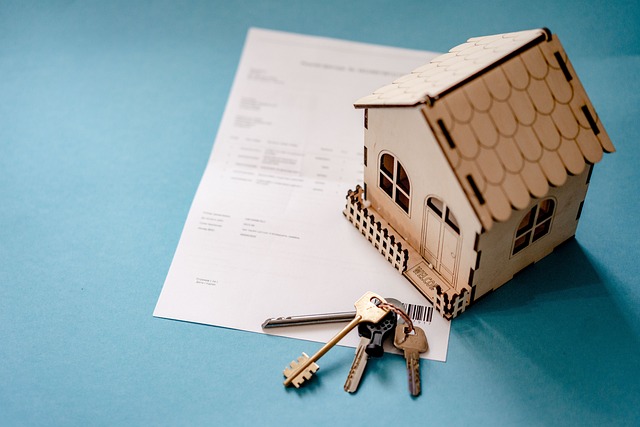

To help keep the costs down, you should compare landlord insurance policies online. This can often get you a cheaper deal with a better level of coverage. Look here to compare landlord insurance and find exclusive deals you will not see anywhere else.
2. Letting Agents

3. Maintenance And Refurbishment

You will need to budget for regular refurbishment and property maintenance. This does not have to be a lot, probably around £750 a year. This should allow you to spend around £250 per year on maintenance costs and about £1500 every three years on bigger refurbishments.
4. Taxes On Your Rental Income
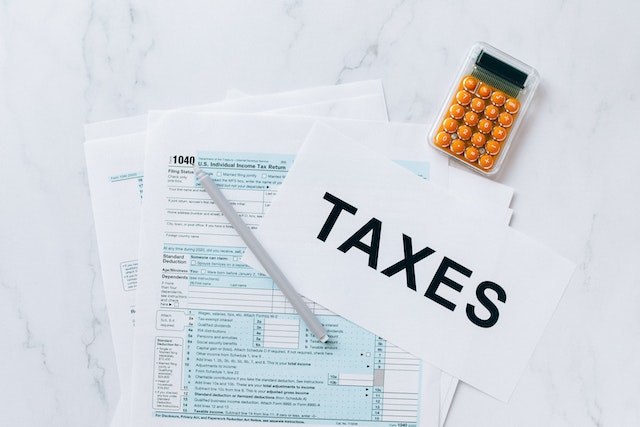
Many of the common expenses that come from being a landlord are tax-deductible and will not be taxed as a part of your rental income. This includes buy-to-let mortgage payments, letting agent fees, and more. Property tax can be complicated, especially when paying for repairs and refurbishments, experienced accountants can be worth paying for to reduce your tax liability and your stress levels.
Being aware of the costs is the first step, to move forward, you need to budget for them. Calculating your costs will help you predict your potential income and the return on your investment.